


When venturing into cold weather, the importance of dressing in layers cannot be overstated. The body loses heat rapidly in frigid temperatures, and wearing multiple layers allows for better insulation and temperature regulation. The first layer, often referred to as the base layer, should be made of moisture-wicking materials that draw sweat away from the skin.
This is crucial because dampness can lead to a rapid drop in body temperature. The second layer, typically an insulating layer, can be made of fleece or wool, which traps heat close to the body. Finally, the outer layer should be windproof and waterproof to protect against the elements.
This combination not only keeps the body warm but also allows for flexibility in adjusting to changing conditions, such as moving from a cold outdoor environment to a heated indoor space. In addition to layering, choosing appropriate clothing is essential for maintaining comfort and safety in winter conditions. Accessories such as hats, gloves, and scarves play a significant role in preserving body heat, as a substantial amount of warmth is lost through the head and extremities.
Insulated boots are also vital, as they provide both warmth and traction on slippery surfaces. It is advisable to select footwear that is both waterproof and breathable to prevent moisture buildup inside the boots. Furthermore, individuals should consider the specific activities they will be engaging in; for instance, those participating in high-energy activities like skiing may require lighter layers that allow for greater mobility, while those who will be stationary for extended periods may need heavier insulation.
Ultimately, dressing appropriately for winter weather is a critical step in ensuring safety and comfort during cold-weather excursions.
Key Takeaways
- Dress in layers and wear appropriate clothing to stay warm and dry in winter weather
- Keep a winter emergency kit in your car with essentials like blankets, food, water, and a flashlight
- Know how to build a shelter in case of emergency to protect yourself from the elements
- Stay hydrated and eat high-energy foods to maintain energy and body heat in cold weather
- Be aware of the signs of hypothermia and frostbite and seek medical attention if necessary
Keep a winter emergency kit in your car
Having a winter emergency kit in the car is an essential precaution that can make a significant difference during unexpected situations. This kit should include items that can help individuals survive if they become stranded or face an emergency while on the road. A basic winter emergency kit typically contains items such as blankets, non-perishable food, water, a flashlight with extra batteries, and a first aid kit.
Additionally, it is wise to include a shovel for snow removal, sand or kitty litter for traction, and jumper cables in case of battery failure. By preparing this kit ahead of time, individuals can ensure they are equipped to handle various emergencies that may arise during winter travel. Moreover, it is important to regularly check and update the contents of the emergency kit to ensure everything is functional and within its expiration date.
For instance, food items should be replaced periodically to avoid spoilage, and batteries should be tested to confirm they are still operational. In addition to these essentials, individuals may also want to include items such as a whistle for signaling for help, a multi-tool for various tasks, and even a portable phone charger to maintain communication in case of an emergency. By taking the time to assemble and maintain a comprehensive winter emergency kit, individuals can significantly enhance their safety and preparedness while traveling during the colder months.
Know how to build a shelter in case of emergency

In the event of becoming stranded in a winter wilderness scenario, knowing how to build a shelter can be a lifesaving skill. The primary goal of constructing a shelter is to protect oneself from the harsh elements while conserving body heat. A simple yet effective shelter can be made using natural materials found in the environment, such as branches, leaves, and snow.
For instance, creating a lean-to by propping branches against a sturdy tree trunk can provide adequate coverage from wind and precipitation. It is crucial to insulate the shelter’s floor with leaves or pine needles to prevent heat loss through contact with the cold ground. Additionally, ensuring that the entrance is small can help retain warmth inside the shelter.
Understanding the principles of shelter building goes beyond just constructing a physical structure; it also involves strategic planning based on environmental conditions. For example, positioning the shelter away from potential hazards such as falling branches or avalanche-prone areas is vital for safety. Furthermore, individuals should consider the direction of prevailing winds when selecting a location for their shelter; facing away from the wind can significantly reduce exposure to cold gusts.
In extreme situations where snow is abundant, digging into a snowbank to create an igloo-like structure can provide excellent insulation against the cold. Mastering these skills not only enhances survival chances but also instills confidence in one’s ability to navigate challenging winter conditions.
Stay hydrated and eat high-energy foods
| Activity | Recommendation |
|---|---|
| Water intake | 8 glasses (64 ounces) per day |
| High-energy foods | Whole grains, nuts, seeds, fruits, and vegetables |
| Hydration during exercise | Drink 7-10 ounces of water every 10-20 minutes during exercise |
| Electrolyte intake | Consume electrolyte-rich foods or drinks after intense physical activity |
Maintaining hydration and consuming high-energy foods are critical components of staying healthy and energized during winter activities. Cold weather can often mask feelings of thirst, leading individuals to underestimate their hydration needs. It is essential to drink water regularly, even if one does not feel particularly thirsty.
Dehydration can impair physical performance and cognitive function, making it more challenging to respond effectively in emergencies. Carrying insulated water bottles can help keep water from freezing while also encouraging regular hydration breaks during outdoor activities. In addition to hydration, fueling the body with high-energy foods is vital for sustaining energy levels in cold weather.
Foods rich in carbohydrates and fats provide the necessary calories needed for warmth and activity. Trail mix, energy bars, nuts, and dried fruits are excellent choices for quick snacks that are easy to carry and consume on the go. Additionally, consuming warm meals when possible can provide both comfort and energy; soups or stews made with hearty ingredients can be particularly beneficial during long outings.
By prioritizing hydration and nutrition, individuals can enhance their endurance and overall well-being while navigating winter environments.
Be aware of the signs of hypothermia and frostbite
Understanding the signs of hypothermia and frostbite is crucial for anyone spending time outdoors in cold weather conditions. Hypothermia occurs when the body loses heat faster than it can produce it, leading to dangerously low body temperatures. Early symptoms include shivering, confusion, fatigue, and difficulty speaking or moving.
As hypothermia progresses, individuals may experience severe drowsiness or even loss of consciousness. Recognizing these signs early on is essential for taking prompt action; if someone exhibits symptoms of hypothermia, it is vital to move them to a warmer environment and provide insulation while seeking medical assistance. Frostbite is another serious condition that can occur when skin and underlying tissues freeze due to prolonged exposure to cold temperatures.
The extremities—such as fingers, toes, ears, and nose—are particularly vulnerable to frostbite. Initial signs include redness or pain in affected areas followed by numbness and discoloration; skin may appear white or grayish as frostbite progresses. If frostbite is suspected, it is crucial not to rub or massage the affected areas as this can cause further damage.
Instead, gently warming the affected areas using body heat or warm water (not hot) is recommended while seeking medical attention if necessary. By being vigilant about these conditions and knowing how to respond appropriately, individuals can protect themselves and others from severe cold-related injuries.
Use proper heating sources and be cautious of carbon monoxide poisoning
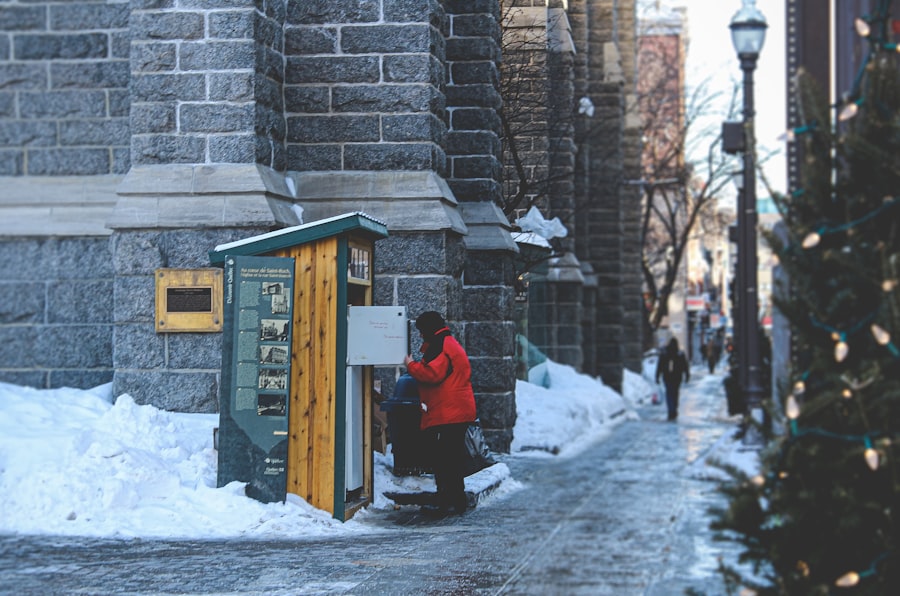
When seeking warmth during winter months, it is essential to use proper heating sources while being mindful of safety precautions against carbon monoxide poisoning. Many people rely on space heaters or generators for additional heat; however, these devices must be used correctly to prevent dangerous situations. It is crucial to ensure that any heating device used indoors is specifically designed for indoor use and has adequate ventilation to prevent carbon monoxide buildup.
Installing carbon monoxide detectors in homes or cabins can provide an added layer of safety by alerting occupants to dangerous levels of this odorless gas. In addition to using safe heating sources indoors, individuals should also exercise caution when using outdoor heating methods such as campfires or propane heaters in enclosed spaces. While these methods can provide warmth, they also pose significant risks if not managed properly.
Ensuring that there is sufficient airflow when using outdoor heating sources is vital for preventing carbon monoxide accumulation. Furthermore, individuals should never leave heating devices unattended or use them while sleeping; this practice significantly increases the risk of fire hazards or poisoning incidents. By prioritizing safety when using heating sources during winter months, individuals can enjoy warmth without compromising their health or safety.
Know how to navigate in snowy and icy conditions
Navigating snowy and icy conditions requires specific skills and awareness to ensure safety while traveling outdoors during winter months. One of the most important aspects of navigating these conditions is understanding how snow and ice affect traction and movement. When walking on icy surfaces, individuals should take small steps with their feet flat on the ground rather than shuffling or sliding; this technique helps maintain balance and reduces the risk of slipping.
Additionally, wearing footwear with good traction—such as boots with rubber soles—can significantly enhance stability on slippery surfaces. For those venturing into more challenging terrains such as hiking trails or backcountry areas covered in snow, having navigational skills becomes even more critical. Familiarity with maps and compasses or GPS devices can help individuals stay oriented despite reduced visibility due to snowstorms or whiteouts.
It is also advisable to follow established trails whenever possible; these paths are often packed down by previous travelers and provide safer footing compared to untracked snow. Moreover, understanding how weather conditions can change rapidly in winter environments allows individuals to make informed decisions about their routes and turn back if necessary before conditions worsen.
Stay informed about weather conditions and have a communication plan
Staying informed about weather conditions is paramount for anyone planning outdoor activities during winter months. Weather forecasts can provide valuable insights into temperature fluctuations, precipitation levels, wind speeds, and potential storms that may impact travel plans or safety measures needed during excursions. Utilizing reliable weather apps or websites allows individuals to receive real-time updates on changing conditions while out in the field.
Additionally, checking local advisories regarding road closures or hazardous conditions can help travelers make informed decisions about their routes. Equally important is having a communication plan in place before heading out into potentially treacherous winter environments. This plan should include informing friends or family members about intended routes and expected return times; this way, someone will know if an individual does not return as planned and can initiate search efforts if necessary.
Carrying fully charged mobile devices equipped with emergency contact numbers ensures that help can be reached quickly if needed. In remote areas where cell service may be unreliable, considering alternative communication methods such as satellite phones or two-way radios can enhance safety measures further. By prioritizing awareness of weather conditions alongside effective communication strategies, individuals can significantly reduce risks associated with winter travel while enjoying their outdoor adventures safely.
If you’re looking for more outdoor survival tips, especially during the colder months, you might find our article on “Winter Survival Tips” incredibly useful. For further reading and to enhance your outdoor adventure knowledge, check out our blog at Go Adventure Outdoors. Here, you can explore a variety of articles that cover everything from basic survival skills to specific gear recommendations, ensuring you’re well-prepared for your next winter excursion.

